Manufactured self-adhesive labels, from repeat flexographic production to short-run digital and specialist finishing. Printed and plain labels designed around your product, application and production equipment.
The right process for the right job
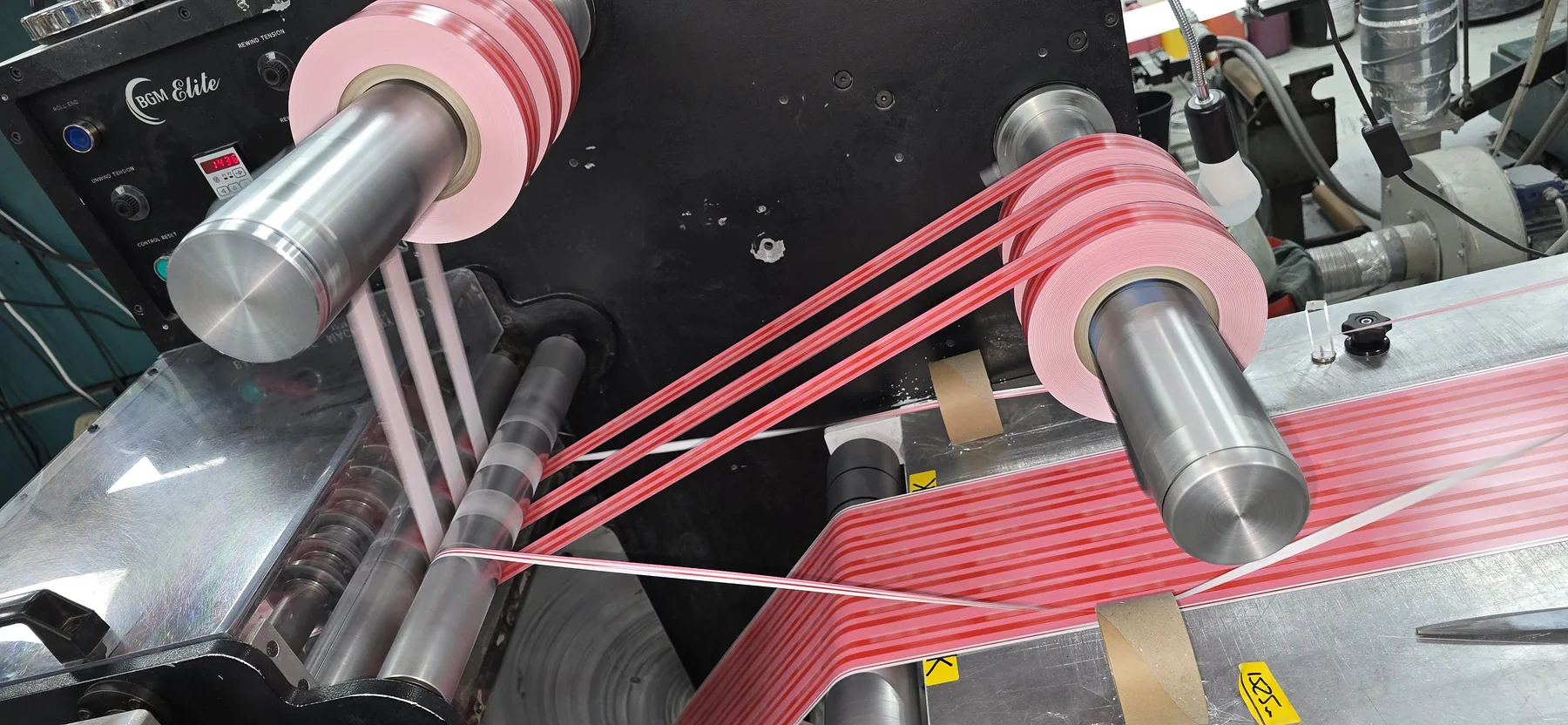
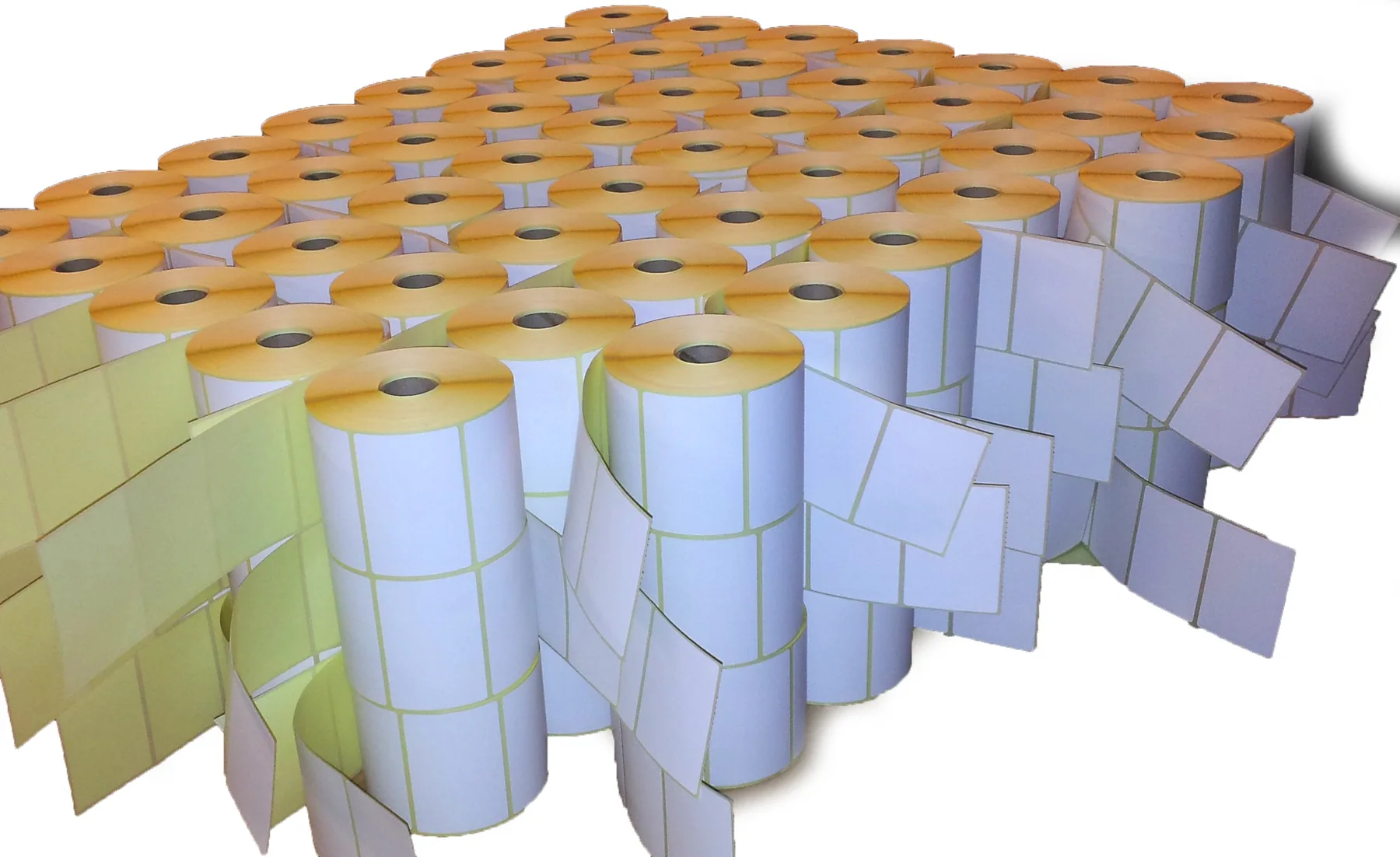
Slitting and finishing to suit your production. As a manufacturer, we can discuss the finished roll specification as part of the job, including slit width, roll diameter, core size, winding direction and presentation for your labelling equipment.
We print and convert self-adhesive labels for businesses that need reliable quality and practical production advice. Quantity, colours, substrate, finish and how the label is applied all affect the best method.
Whether you need tens of thousands of consistent retail labels, a small number of variations, plain stock for your own barcode printer or an unusual shape that requires specialist converting, you can discuss the job with the people who will actually make it.
MANUFACTURING KNOW-HOW
Not just a printed sticker.
Good labels need to look right, stick to the intended surface, survive their environment and arrive on a reel your machine can use. We can work through that complete specification with you, rather than asking you to choose from a fixed list of standard products.
Our job is to establish the most suitable approach for your requirement, taking into account quantity, finish, artwork, material and application.
01 / METHOD
Flexographic printing
A strong choice for repeat work, larger quantities and consistent roll-fed production.
Useful where quantities, repeat schedules and consistent colours make conventional press production the sensible choice. We can discuss printed colours, varnishes, adhesive and material construction alongside the finished reel format.
Useful for shorter batches, changing designs and applications where conventional origination may not be the best fit.
A practical route for testing packaging, seasonal products, multiple SKUs and artwork that changes frequently. We assess the overall job rather than assuming one printing method always offers the best cost or result.
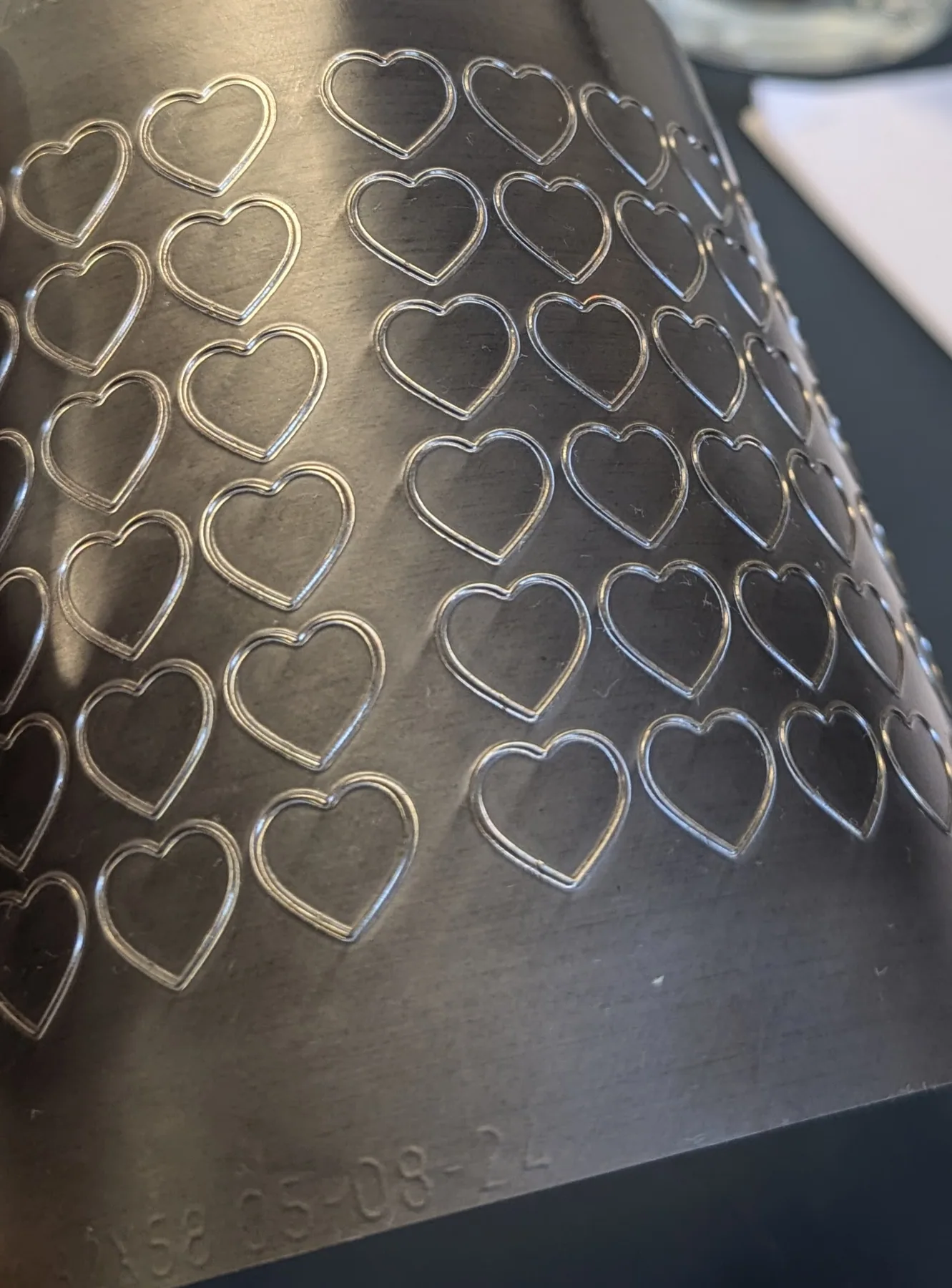
Decorative and specialist effects for packaging that needs a distinctive finish.
Metallic and decorative effects can give bottles, jars and premium packaging a different character. Foil, textured material, embellishment and conventional printed detail can be considered together.
Die-cutting, slitting, rewinding and roll presentation tailored to your application.
Special shapes, back cuts, perforations, tags, tickets and precise roll presentation are part of our manufacturing conversations. Unusual requirements are welcome, including work that does not fit a standard print workflow.
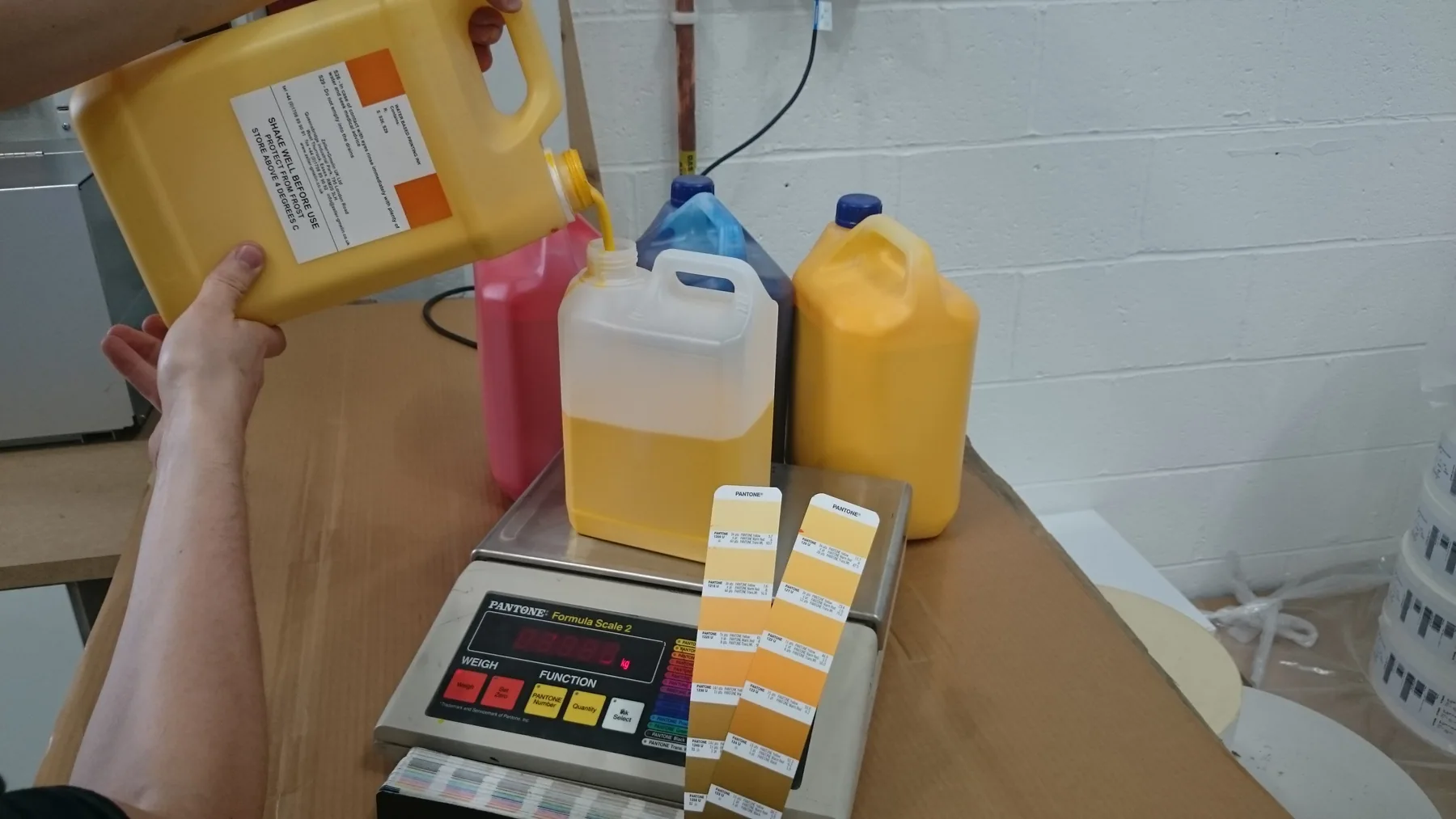
Artwork and colour matter, but a successful label also depends on the stock, adhesive, liner and finishing choices behind it. We can discuss the print method and material together, helping avoid unnecessary compromises once production is underway.
For repeat production, consistency across subsequent runs is important. For shorter and changing jobs, flexibility may carry more weight. We work from your actual requirements rather than offering a one-size-fits-all process.
Labels for products, production lines and demanding environments.
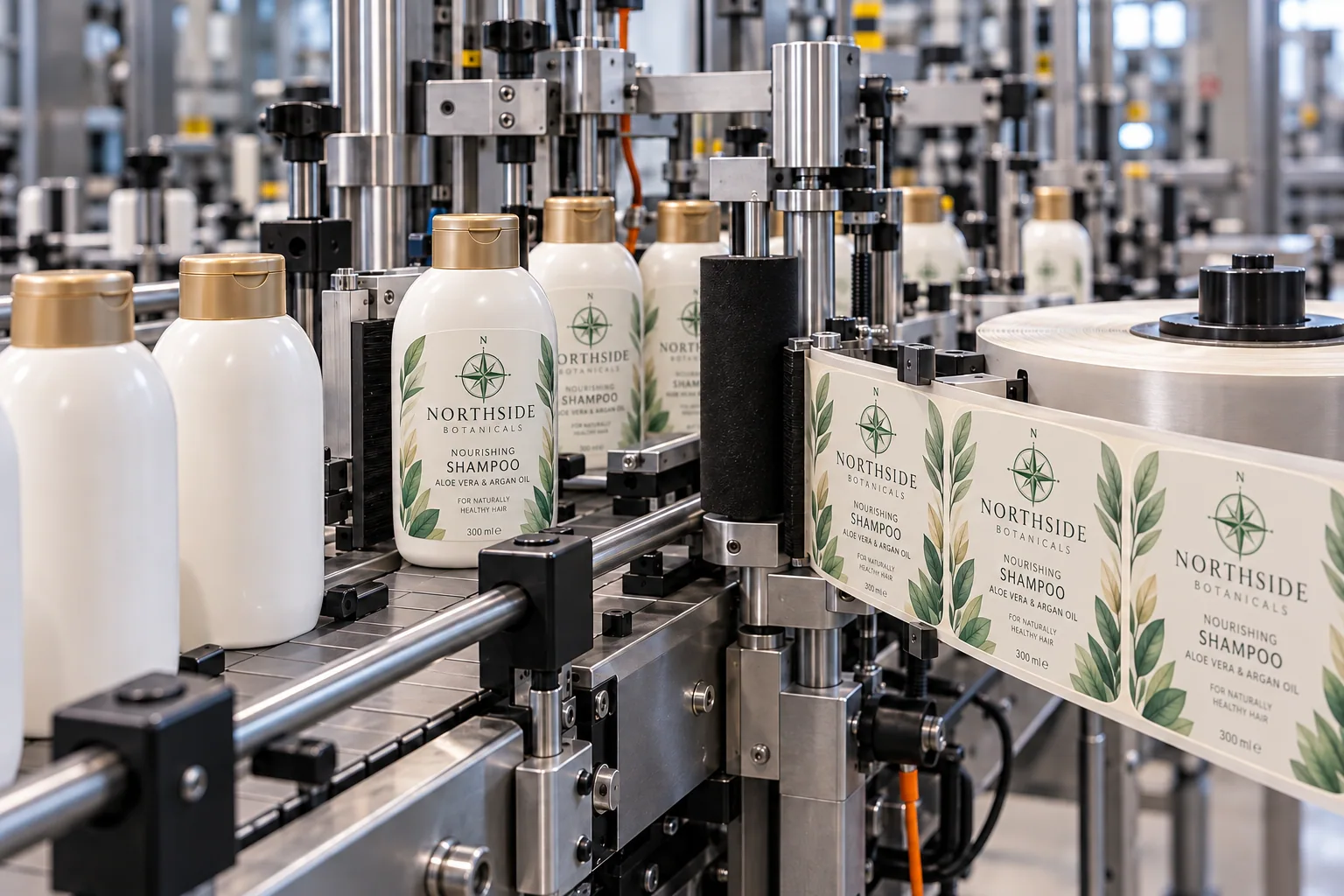
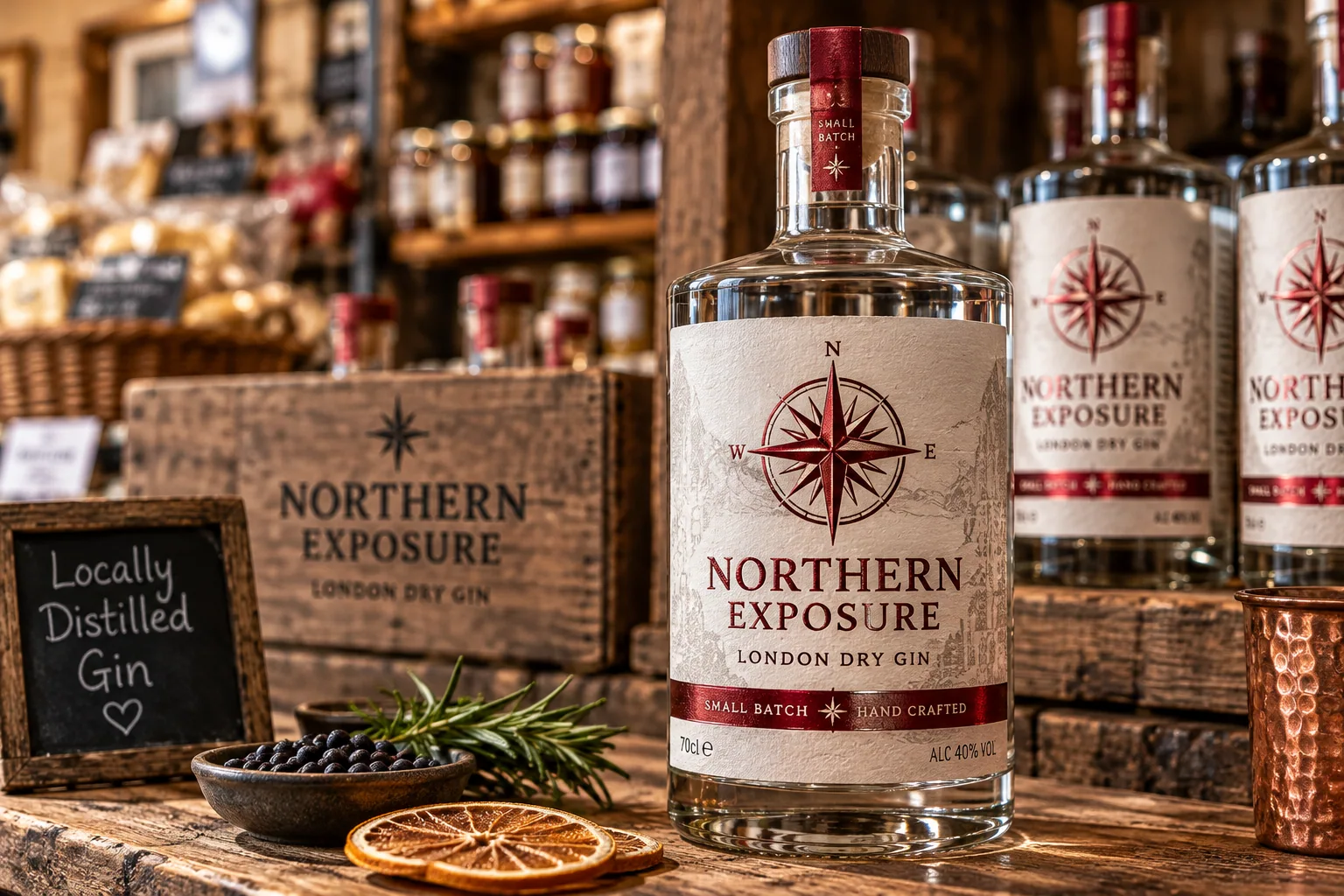
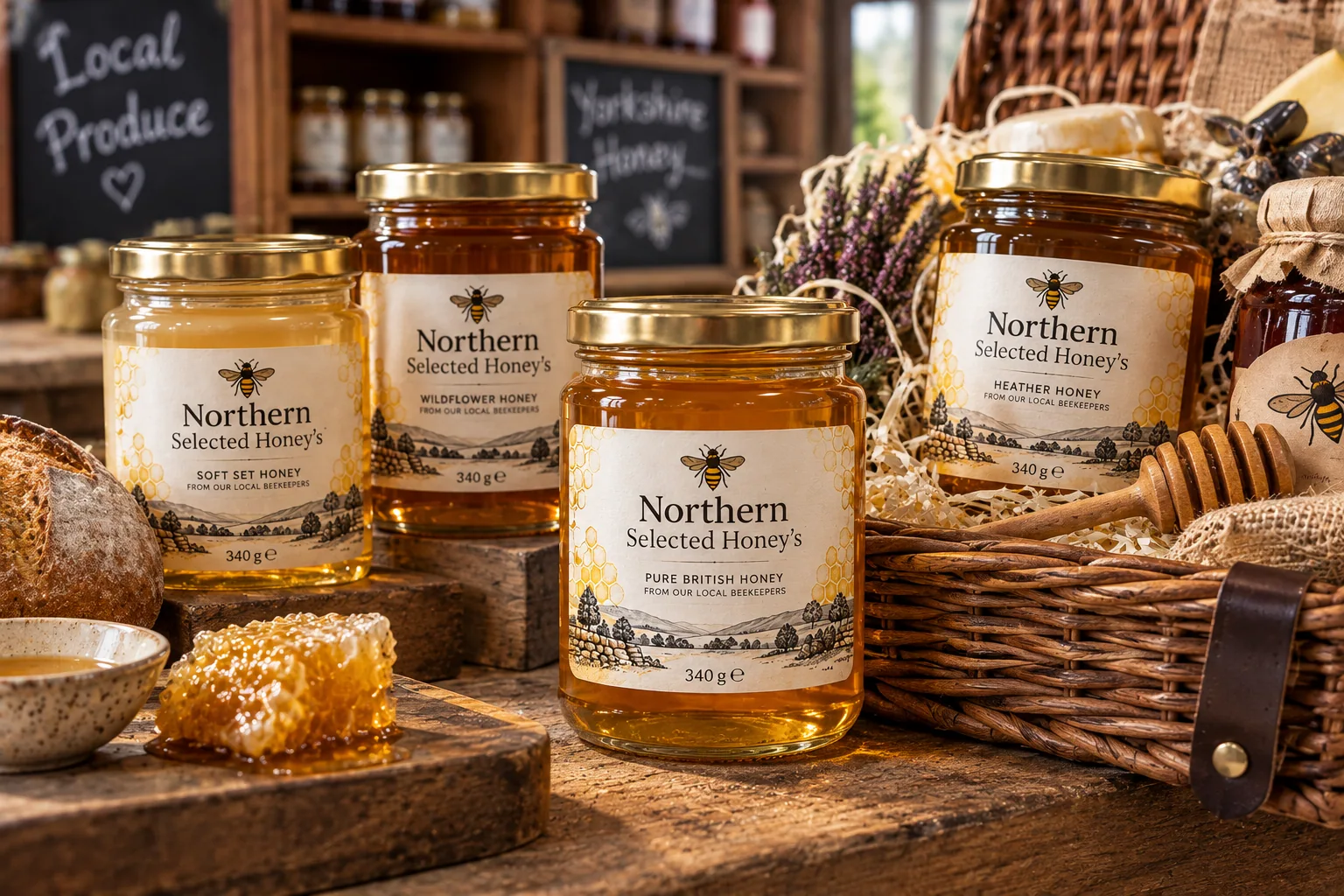
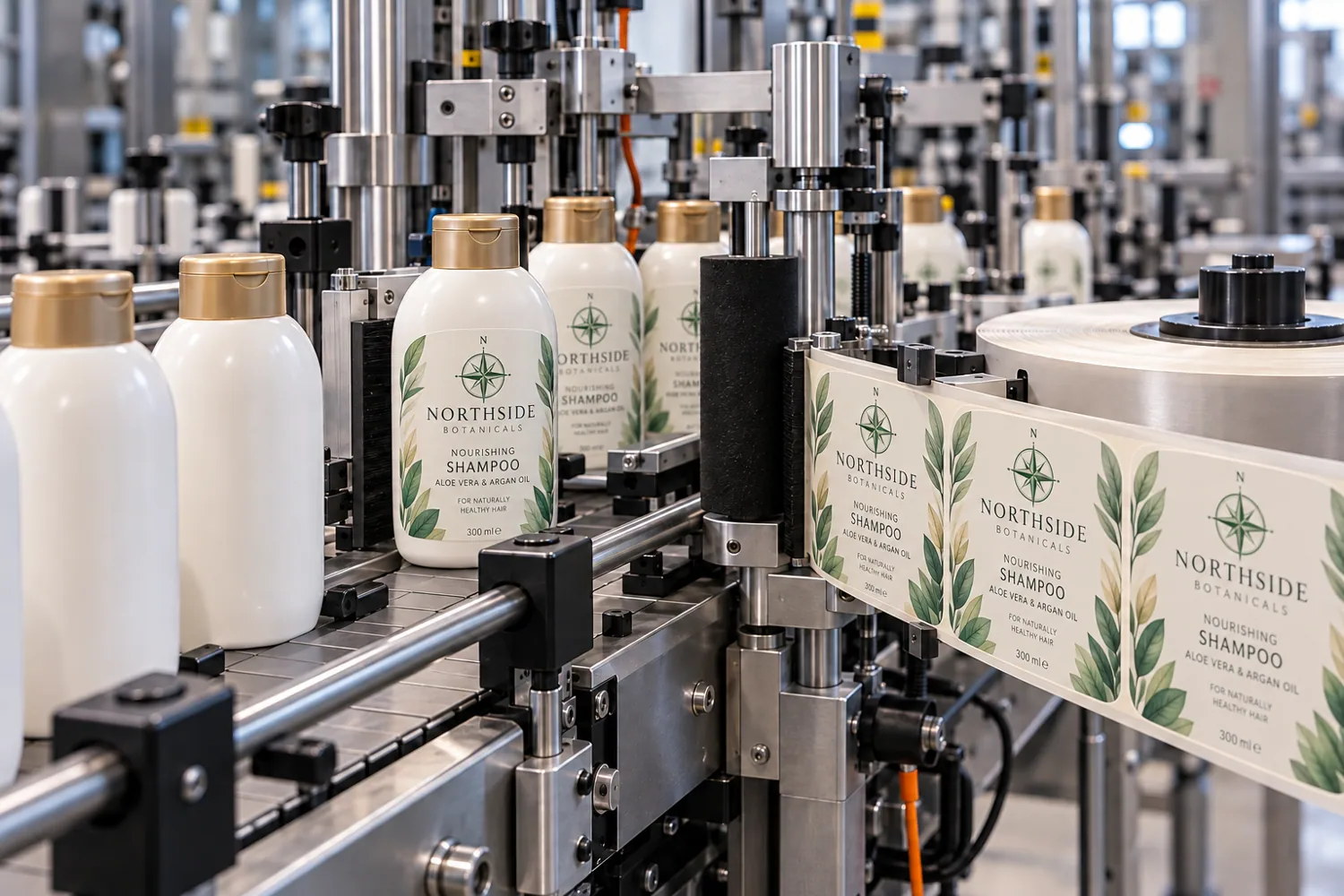
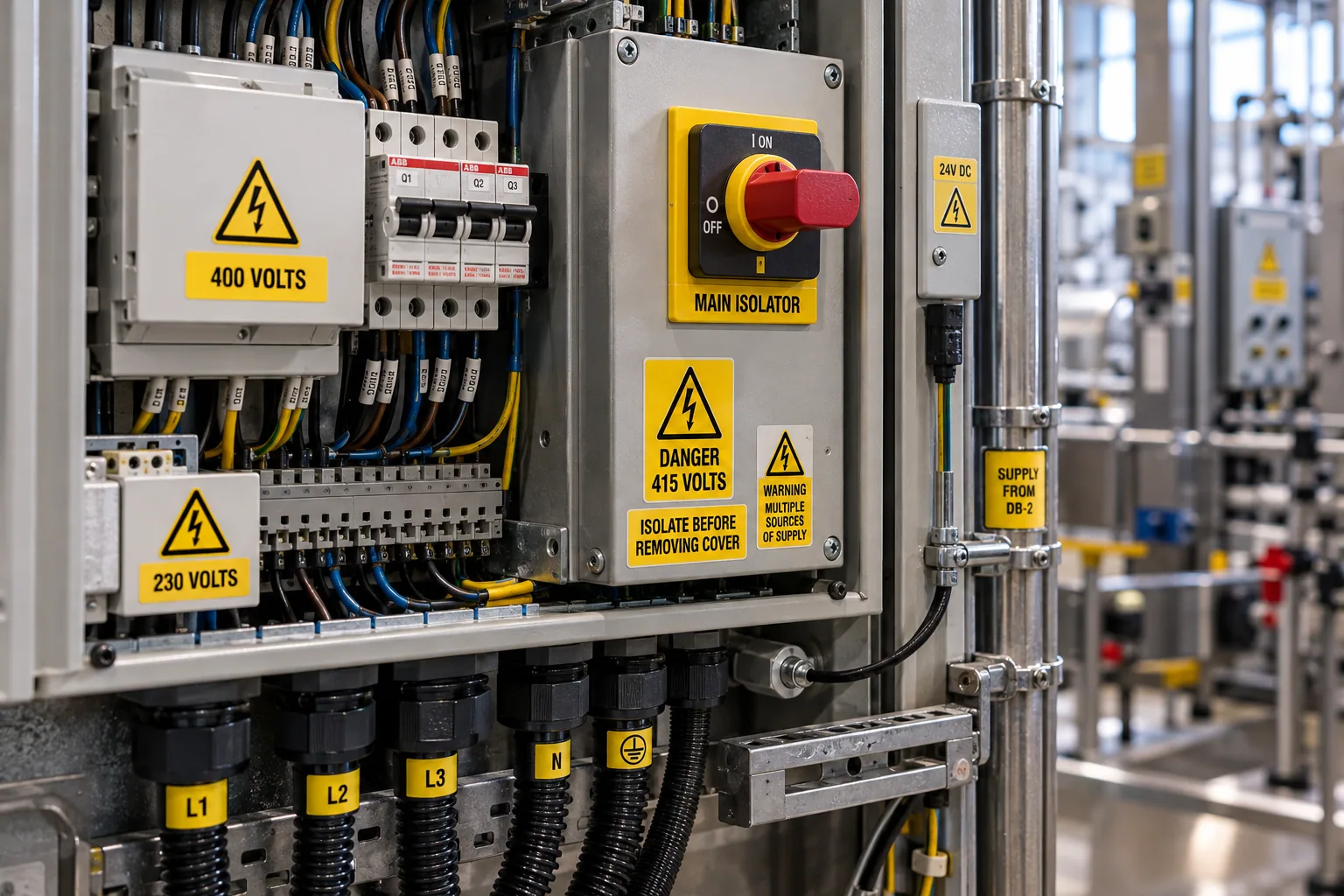
From attractive packaging to practical identification, the best construction depends on where the label goes and what it needs to do. These examples show the breadth of applications we can discuss.
Product and application scenes with fictional branding are illustrative. The relevant production photographs elsewhere on this page show actual equipment and materials.
TECHNICAL DETAIL THAT MATTERS
A label is made for the way you use it.
When we discuss a new job, these practical questions help determine the material, adhesive, format and appropriate manufacturing method:
What is it sticking to? Glass, paperboard, a plastic bottle, metal or another surface may need a different construction.
What conditions will it face? Temperature, moisture, handling and expected life all matter.
How will it be applied? By hand or by machine, including core, maximum outside diameter, winding direction and labels per reel.
Will it be printed again? Thermal-transfer and direct-thermal requirements influence the facestock and surface finish.
Will there be multiple designs or repeat orders? This can influence which print process makes most commercial sense.
Specialist adhesive and durability claims need confirming against the current material specification and testing on the actual application.
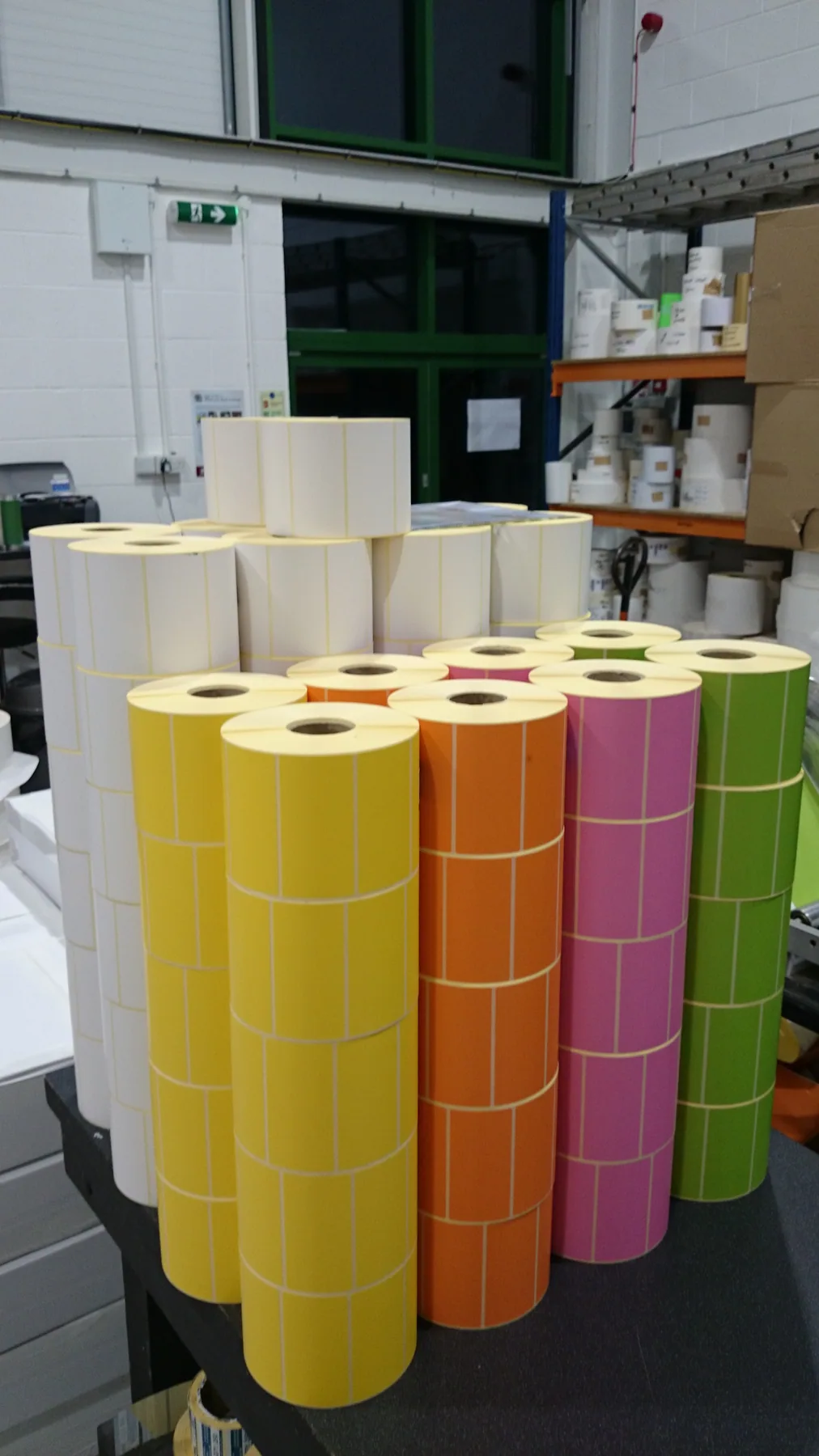
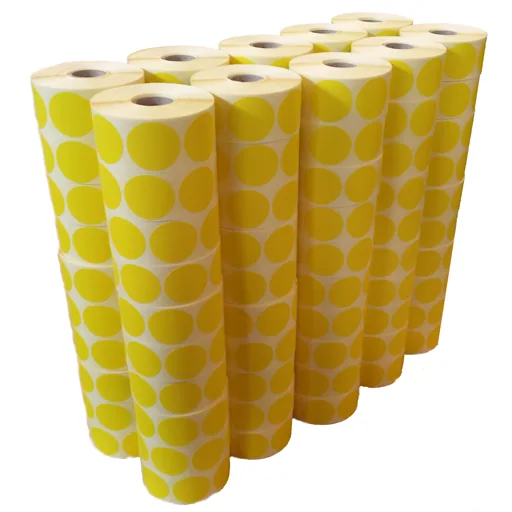
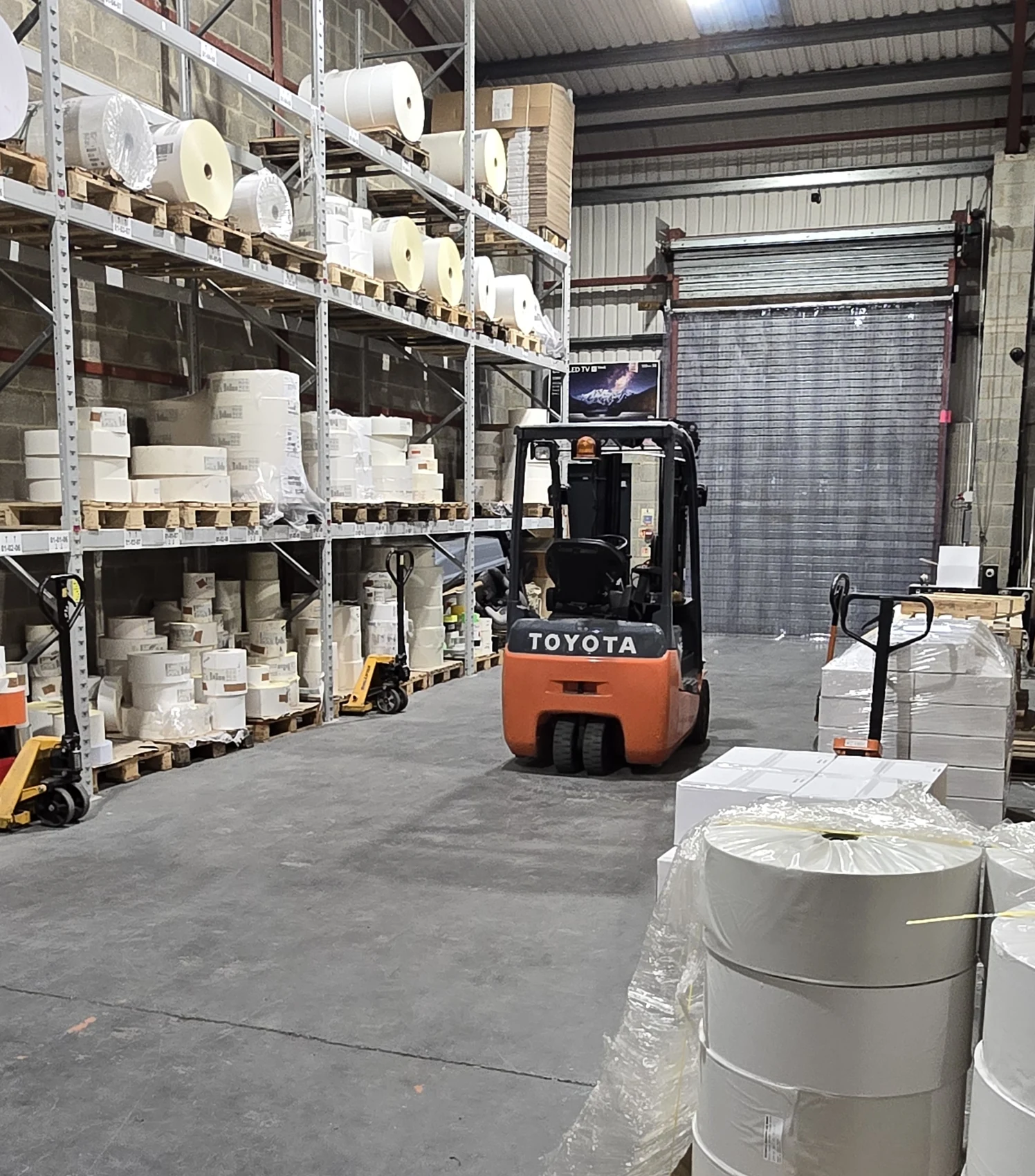
Real stock and material storage at Northern Labels.
PLAIN · PREPRINTED · VARIABLE DATA
Labels that work with your printer, too.
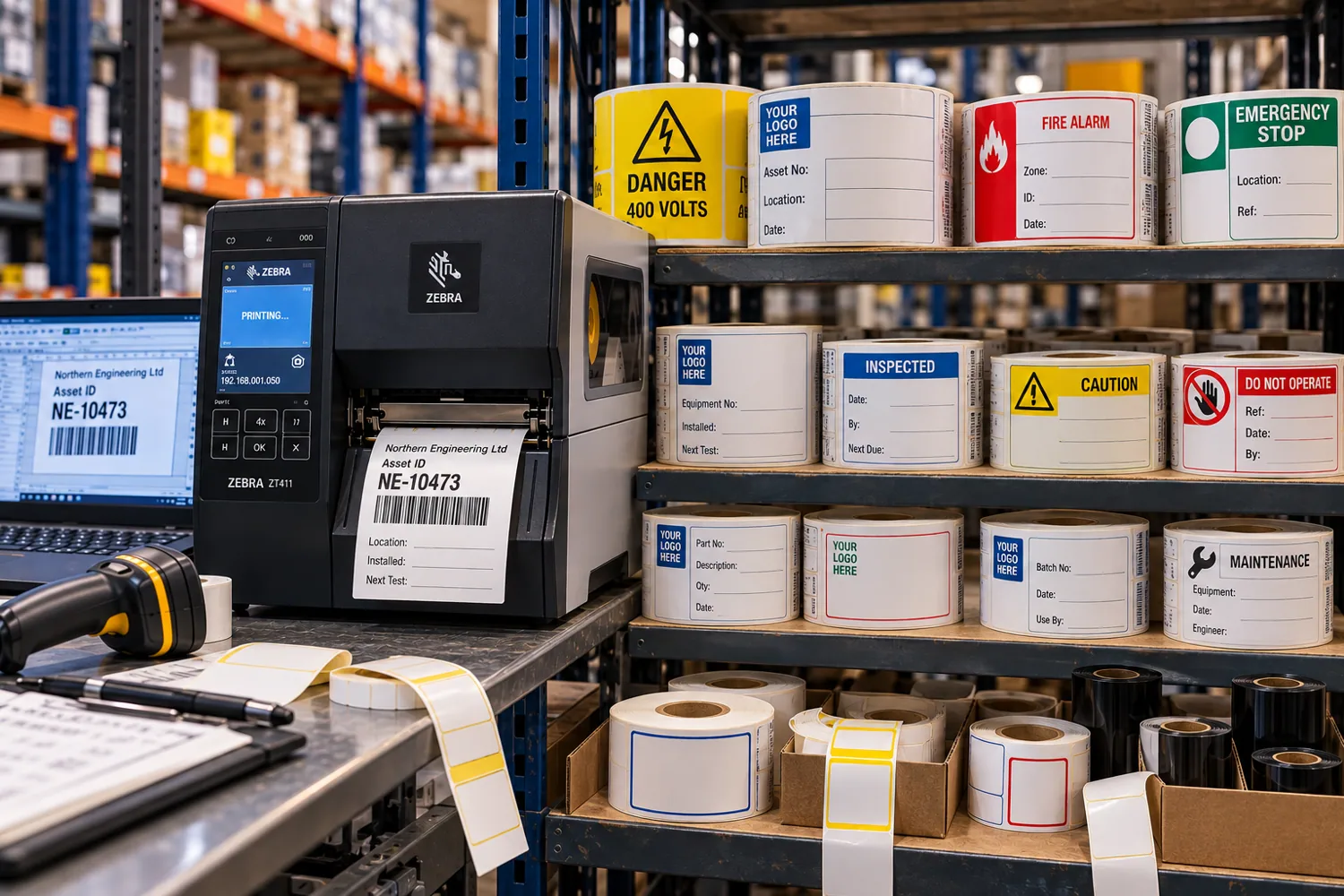
A printed label may be only the first stage. Many customers add dates, batches, prices, weights, barcodes or other changing information themselves, using direct-thermal or thermal-transfer printers.
We can discuss the face material, printable area, reel specifications and the equipment in which the labels will run. Preprinted colour and variable black data can be combined where appropriate.
Actual thermal-transfer printing footage supplied by Northern Labels.
More than the artwork
As a manufacturer, we can design the job around the applicator or the person who uses it, not just around its graphic.
Slitting and rewinding to specification
Finished widths, unwind direction, core sizes, diameter limits and reel counts can be specified for the equipment on which they will be applied. This is not simply a choice from a stock catalogue.
Thermal-transfer and direct-thermal work
Plain or preprinted labels can leave areas for barcodes, batches and dates to be printed later. Matching ribbons, coating and service life helps avoid unreadable data.
Unusual conversions welcome
Perforations, unusual dies, cards, tags, wraps, and jobs with non-standard materials are worth putting in front of the people who will manufacture them.
Slitting and finishing to custom widths.Plain reels, shapes and winding formats.Specialist shape-cutting tool.
Tell us what the label needs to do. The dimensions and quantity are a useful start, but we can talk through the details if you have not settled on a material or printing method yet.
01
Your product
What surface, what environment and how will the label be applied?
02
Your artwork
Colours, design variations, shape and any information you need to print later.
03
Production
Matching print method, substrate, adhesive and converting requirements.
04
Finished supply
Reel core, winding direction, slit widths, roll diameter and pack format.
Talk to the people who make your labels.
Tell us what you are labelling, how it will be used, and the quantities you need. We can discuss a practical specification.